

Charming Exteriors: Design Secrets That Make Your Home Feel Complete

First impressions matter. Whether you’re pulling into your driveway every evening or welcoming guests to your front porch, your home’s exterior sets the tone. But too often, exterior updates are tackled piece by piece—with paint, shutters, landscaping, or lighting chosen independently—leading to mismatched styles, colors that clash, wasted money, and curb appeal that falls flat.

As an interior designer with a love for whole-home harmony, I help clients bring their exterior design dreams to life with smart choices, cohesive color palettes, and beautiful mock-ups that ensure you can see the finished product before making a single purchase.

Let’s walk through what goes into a well-designed home exterior—and how I can help you bring it all together seamlessly.


Start with the Big Picture: Paint, Siding & Roofing

Your home’s largest visual elements—paint, siding, and roofing—form the foundation of its curb appeal. The key to choosing the right exterior paint or siding color? Undertone awareness and neighborhood context.

  • If your roof has a warm brown tone, pairing it with cool gray siding will feel off. Warm grays or taupes may harmonize better.
  • Got brick or stone? Let those fixed materials guide your palette—not compete with them.
  • Live in a neighborhood with muted tones? A bright turquoise house might stand out in a way you regret later.

Pro tip: I always recommend testing at least 3 sample colors on different walls and lighting before deciding.


Trim, Shutters & Accent Colors: Small Choices, Big Impact

Trim and shutters often feel like an afterthought—but they’re actually key players in how polished your home looks from the street.

  • For classic curb appeal, keep trim light and simple and blend your gutters with the rest of the trim or siding color so they don’t stand out.
  • Shutters should coordinate, not compete. Some colors blend together nicely and a pop of color might actually stand out in the wrong way. A deep understanding of color theory helps here. Try deep greens, slates, or charcoal over stark black. Remember shutter style is equally important! Research the appropriate shutter styles for your home and neighborhood.
  • Love a pop of color? Use it on your front door, not your shutters, to create a more elegant balance. But, again, don’t forget color theory to keep it cohesive.

Choosing just one or two accent colors keeps things elevated. When in doubt, less is more.


Small Details That Elevate Everything

These are the little touches that make your home feel intentional and inviting:

  • The Right Front Door Color: Want to add personality? A rich sage green, navy, or deep terracotta is timeless yet current. Don’t underestimate the beauty in a stained wood door and Don’t forget to consider the style. Do your research!
  • Statement Sconces: Outdated lights drag the whole look down. Go for modern black or antique brass fixtures that complement your style. For added impact add lights to your walkway.
  • Flower Boxes + Porch Styling: Add softness and charm with seasonal planters, layered doormats, and cozy seating (yes, even just one chair with a throw pillow adds life!). If you can swing it, add a porch swing! Front porches are charming and inviting. Show that you care about this important extra “room” on your house. Let’s bring back front porch living.

These styling elements are low-commitment but high-impact—perfect for instant curb appeal upgrades.


Landscape Framing: Don’t Skip It

Think of landscaping like a frame for a piece of art. Without it, even a beautifully painted house can feel incomplete.

  • Use layered plant heights—small shrubs in front, taller plants behind—to create visual rhythm.
  • Consider year-round greenery for structure in every season. But don’t forget the flowers. We all need to beauty and color that flowers bring. Mix in perennials and annuals and have fun with it!
  • Edge walkways and driveways with stone, brick, or mulch for a finished look.

And remember—scale matters. A tiny wreath on an oversized door or tiny plants in a large yard make your design feel off-balance.


Design in Context: Blend In Without Disappearing

One of the biggest exterior design mistakes homeowners make? Ignoring the homes around them.

That doesn’t mean you can’t express your style—but you should complement the visual rhythm of your street. That’s how you get a house that feels unique and elevated without being out of place.

Take note of roof colors, paint tones, architectural details, and landscaping styles in your area. Then let those guide your decisions—so your home feels like the best version of itself and your neighborhood. And who knows, maybe your decision to update and give your exterior some love will inspire your neighbors to spruce theirs up as well!


Why You Need a Designer for Your Exterior Project

When you hire a designer like me for your exterior makeover, you get more than just good ideas—you get:

  • Digital mock-ups that help you see your home with new paint, shutters, front door, garage door, lighting, and more—before you commit
  • Sourcing help for everything from sconces to planters to paint
  • cohesive plan that pulls every element together for a finished, high-end look. I also love to see your interior for inspiration when we are dreaming!
  • Expert guidance so you avoid costly mistakes and get a look you love for years to come

This isn’t about redoing everything—it’s about doing it right, with intention.
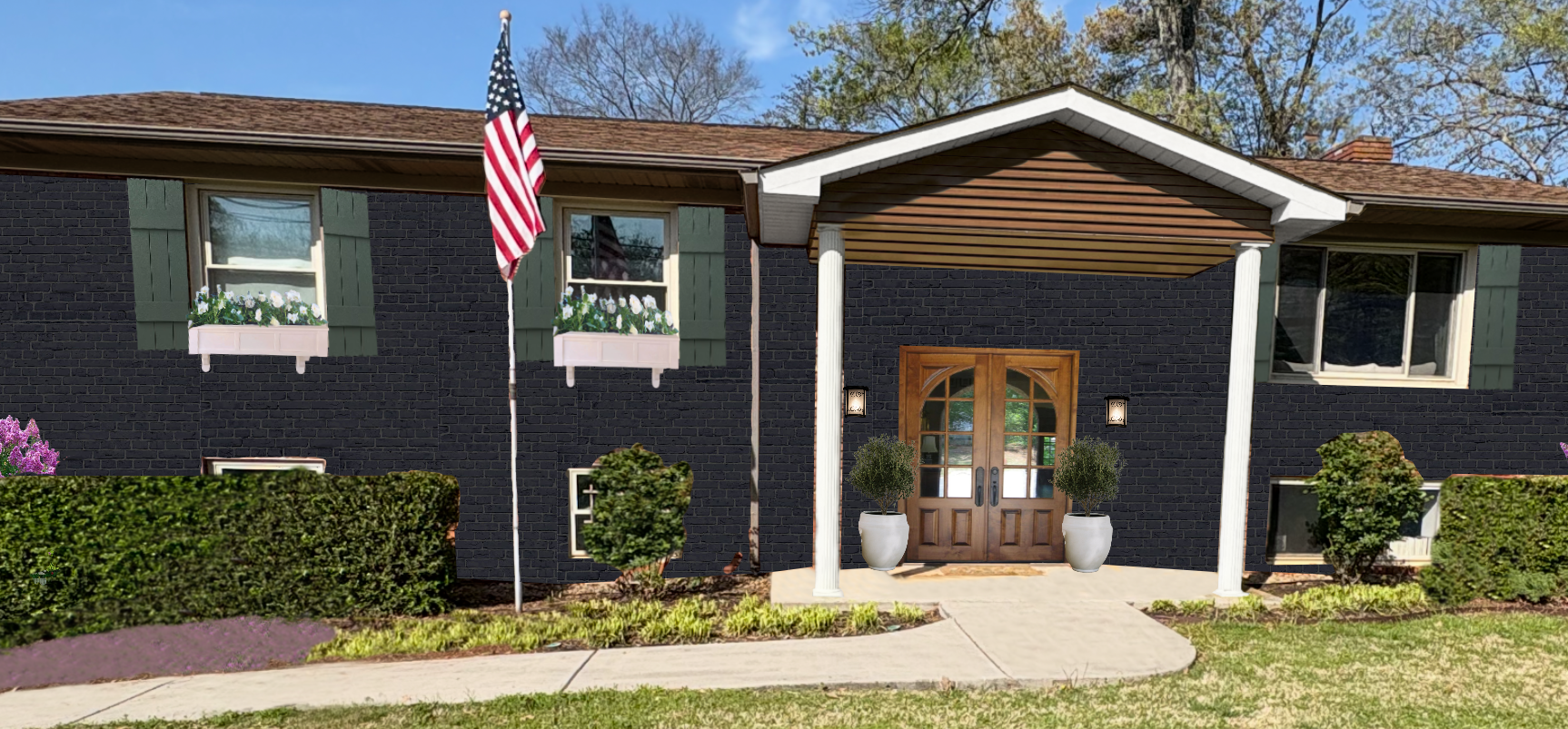

Want to See the Possibilities?

Whether you’re just starting to think about a refresh or ready to update your home’s exterior before summer, I’d love to help.

Let’s talk about how I can create a custom mock-up and design plan for your home—virtually or locally in the Knoxville area.
Welcome to the Design Nook. Settle in.

How to Choose the Perfect Paint Colors for Your Home: A Designer’s Guide to Confident Color Selection

Choosing paint colors for your home can feel paralyzing—there are thousands of options, and you might worry about picking the wrong one or committing to something too bold. But as a designer, I believe color is one of the best ways to express personality in a space. It doesn’t have to be scary—it can actually be simple and even fun when you have a plan.

Whether you’re going for cozy and calm, bold and energized, or something in between, here’s my process to help you choose paint colors confidently and understand how everything else—furniture, accessories, lighting—works together to bring your space to life.


1. Start with the Mood You Want to Create

Before diving into swatches, ask yourself: How do I want to feel in this space?

Do you want your bedroom to feel serene and restful? Or do you want your living room to feel warm, social, and inviting? The mood you want will guide your color palette. For example:

  • Calm: Soft greens, blues, muted neutrals
  • Cozy & Warm: Earth tones, ochres, rust, terracotta
  • Fresh & Energizing: Citrus tones, bold accents, whites with contrast

2. Get Inspired by What You Already Love

Look at the colors you wear, the art you buy, or even what’s in your Pinterest boards. Often, people are drawn to the same tones over and over without realizing it. Hint: If you’ve ever had seasonal color analysis, often we are drawn to the colors that look best on us for our homes! It’s wild!

You don’t need to copy a Pinterest-perfect space, you just need to identify your preferences. I always encourage clients to trust their instincts. Color is personal, and your home should reflect you.

3. Choose an Inspiration Piece

Choose a piece of art, a textile, or a rug as your inspiration and pull paint colors that are cohesive with this “North Star”. Remember a few key notes about paint and color if you want your room to look natural, collected, and designed but not forced.

  • Any muted color can be a neutral. You don’t have to choose 3 colors for your room and be done. You can actually have many colors throughout your rooms and homes, think outside of black, white, and gray as neutrals. Try more neutrals in the world of browns, terracotta, ochre, and rust,
  • Don’t just default to WHITE. I get it, it’s safe. But is it? Truly? White is sterile and reminds me of a hospital which I guess could be construed as safe. But it can also be cold and boring. Maybe we can do better??
  • Consider a cohesive palette of colors not a color scheme of 5 or less. Please do not just throw a few colored throw pillows on your neutral fabric with your white walls and call it a day. The pop of color is dead. Let’s put it to rest. Search for Seasonal color analysis palettes and choose one your drawn to, this can be a great starting off point.

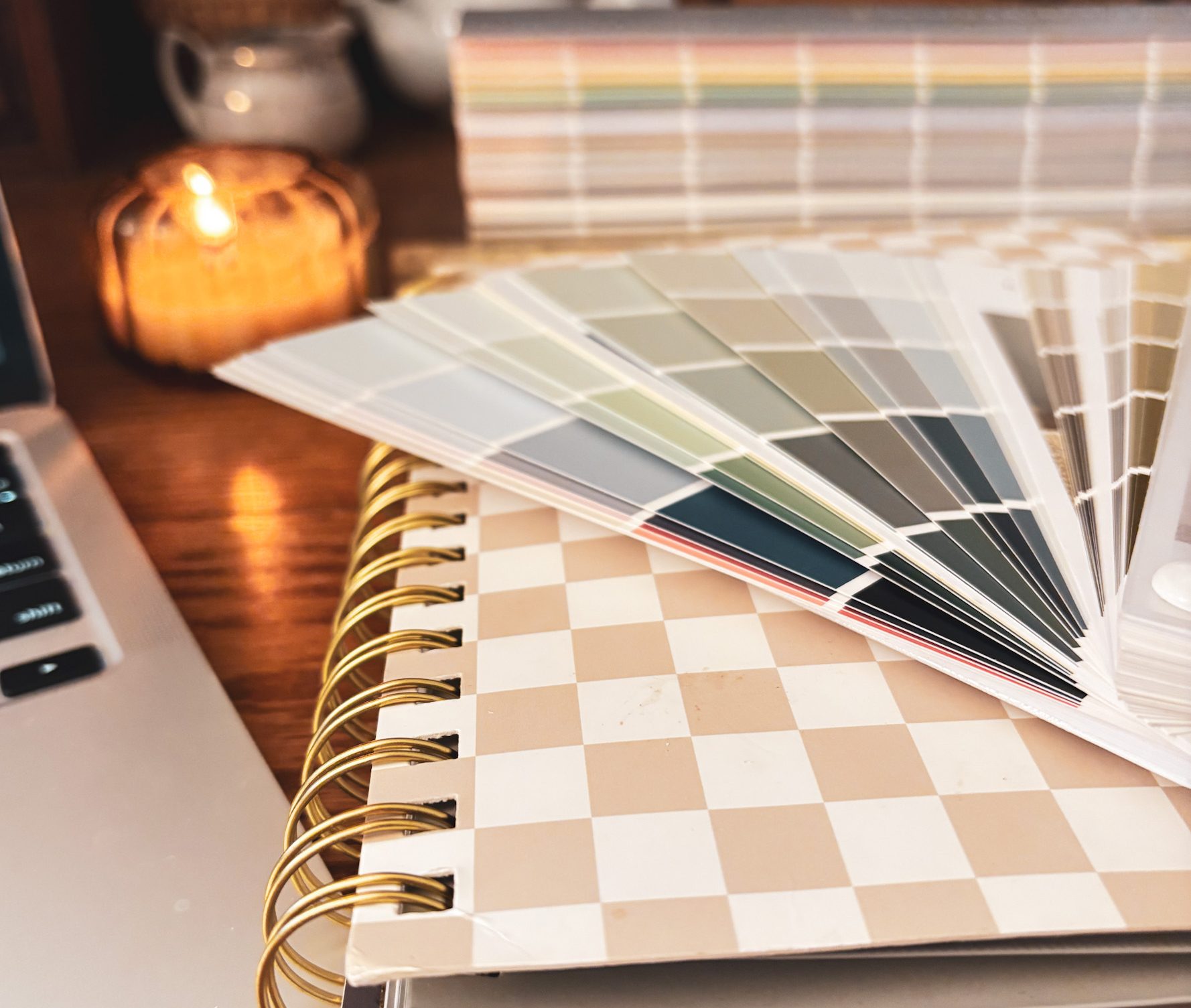
Always test your top 2–3 colors on multiple walls and look at them at different times of day. live with them for a while.


4. Test Colors the Right Way (Without Going Crazy)

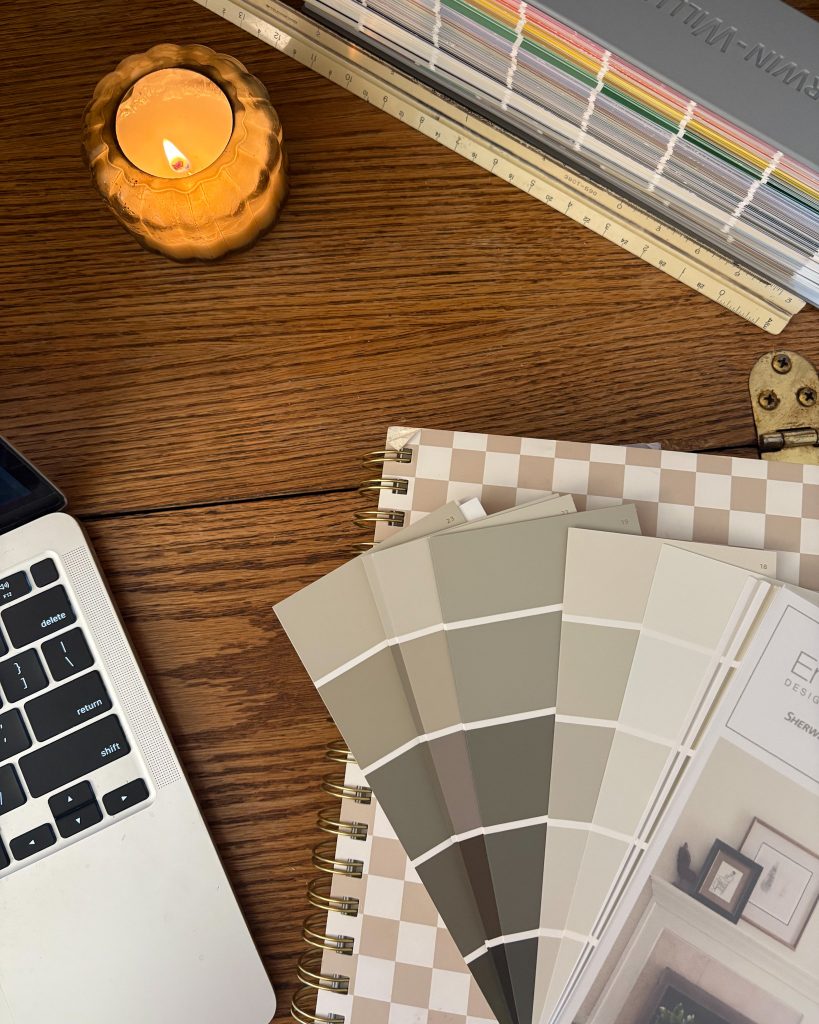
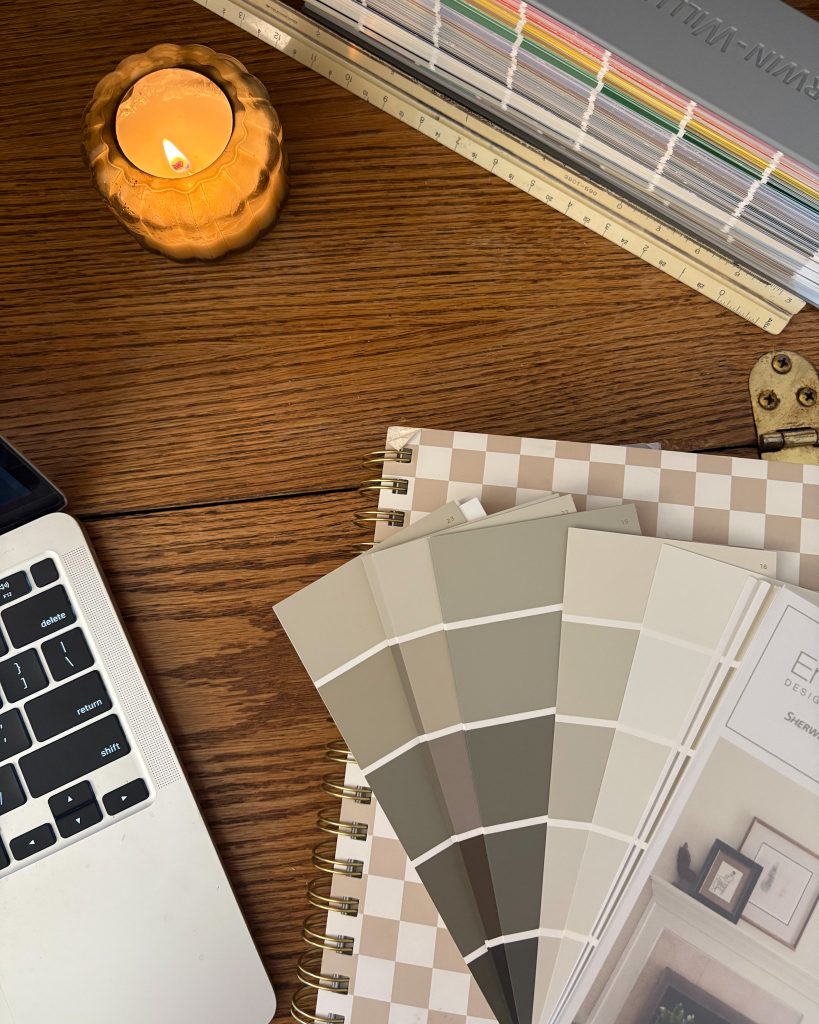
Instead of painting swatches directly on your wall (which can be messy and limit flexibility), use large sample boards you can move around. You’ll get a more accurate sense of the color, and you won’t end up with a patchwork wall.

Stick to 3 or fewer options—too many will just create decision fatigue.

But if you don’t listen to this piece of advice, I’m right there with you and you’ll see photos of my walls with 10 swatches painted in patchwork so don’t sweat it, we’re in this together.

Before I go to the next point, don’t forget paint dries darker because wet paint reflects more light. Let it dry before you judge. Once a color is all over your walls it will be darker, and more saturated than you thought from the paint chip or the sample. I PROMISE YOU. This is a universal truth. If it looks to desaturated on the paint chip, it might be just right!


5. Think Beyond the Walls

Here’s where people often get stuck: they think the wall color has to do all the heavy lifting. But in reality, color works best when it’s part of a bigger picture.

  • A deep green might feel too bold until you bring in warm wood, brass finishes, and soft neutral fabrics.
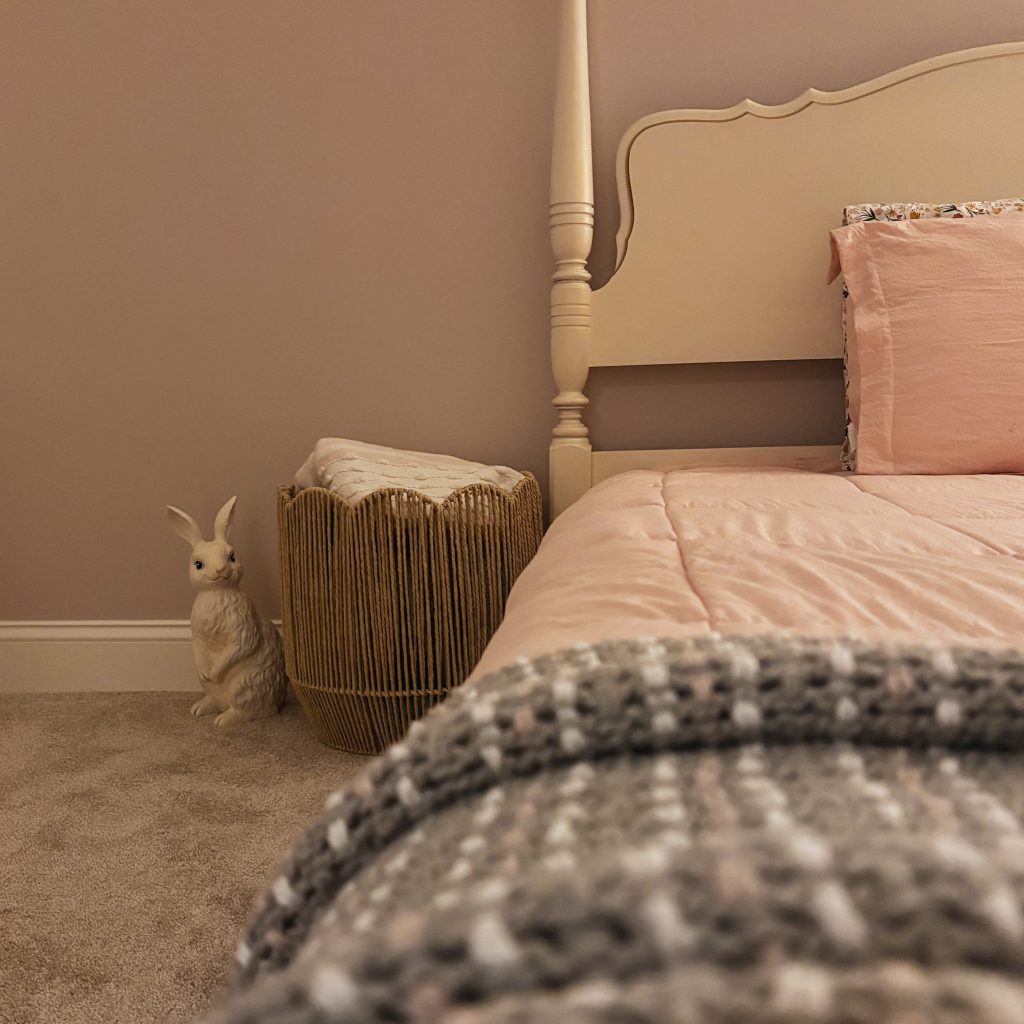
  • A pale pink might feel too sweet until it’s grounded with black metal, layered textures, and unexpected art.

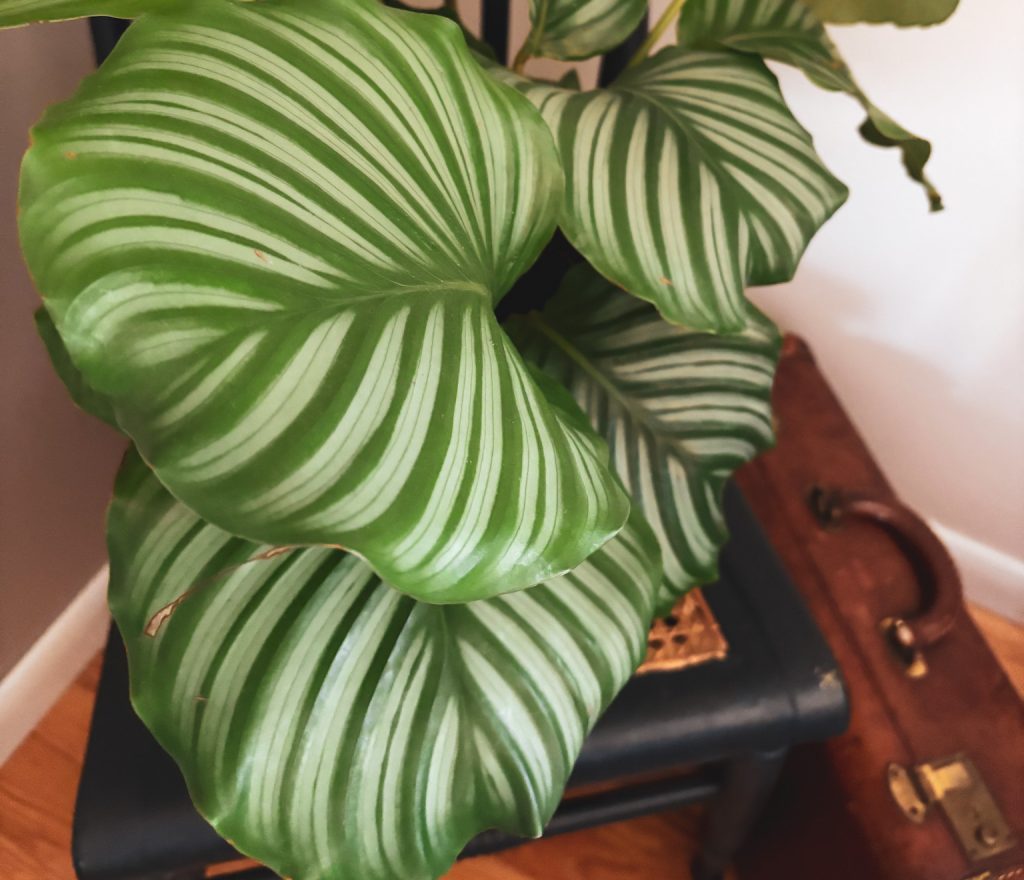
When I style a space, I look at how the rug, throw pillows, art, and even plants interact with the wall color. That’s when a color choice starts to feel intentional, and uniquely youugsru.


Final Thoughts: Color Is Just One Part of the Story

Choosing a paint color isn’t just a design decision, it’s part of how you shape the mood of your home. It’s about showing your unique personality, and connecting with others.

If you feel overwhelmed, know this: you don’t have to do it alone. Helping clients feel confident with color and creating spaces that truly feel like home is what I do every day.

The Top Interior Design Trends of 2025: How to use these Fresh Ideas in Your Home

As we step into 2025, interior design is all about warmth, personality, and intentional living. Homeowners are moving away from sterile, cookie-cutter spaces and embracing cozy textures, bold colors, and unique personal touches. If you’re looking to refresh your home, here are the top interior design trends of 2025 to inspire your space!

1. Earthy, Warm Color Palettes

Neutrals are evolving into richer, more expressive hues. Expect to see moody aubergine, deep ochre, burnt sienna, and warm cocoa browns taking center stage. These colors bring depth and coziness to a space while maintaining a timeless, sophisticated feel.

2. Maximalist Personality with a Curated Touch

Goodbye minimalism, hello curated maximalism! Homeowners are embracing bold patterns, statement art, and vintage treasures to create spaces that feel personal and full of character—without the clutter.

3. Textured Walls & Statement Ceilings

Flat, boring walls are out! Limewash, plaster finishes, wood paneling, and textured wallpapers are bringing depth and dimension to walls, while painted or wallpapered ceilings are becoming a major design moment.

4. Vintage & Sustainable Finds

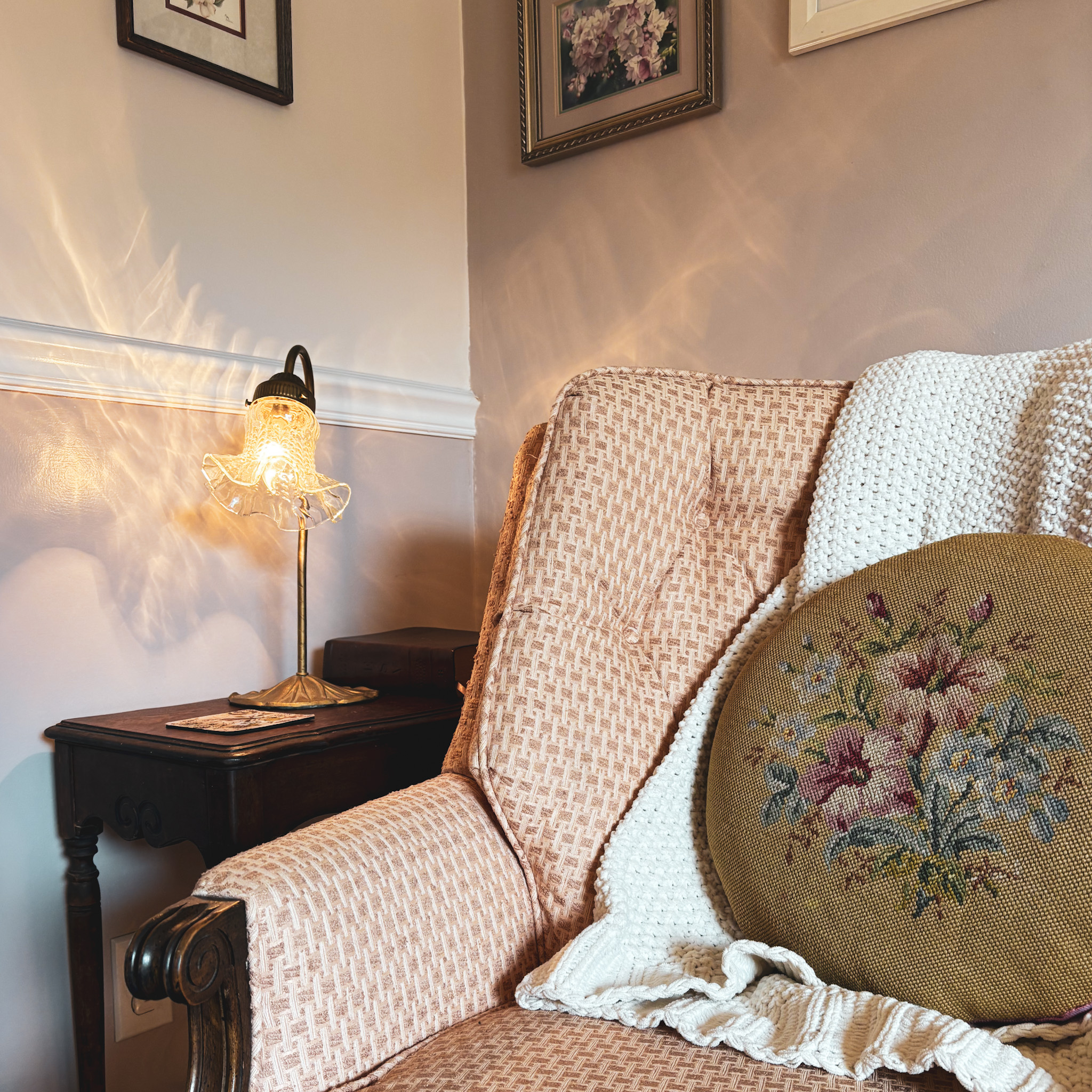
Sustainability continues to shape design trends, with more people opting for vintage furniture, upcycled decor, and handmade pieces. The mix of old and new adds warmth and timeless appeal.

5. Cozy Banquettes & Built-In Seating

Say goodbye to stiff dining sets—banquettes and built-in seating areas are making a strong comeback. These cozy, space-saving seating solutions create an inviting atmosphere in breakfast nooks, dining rooms, and even living spaces, making everyday moments feel more intimate and stylish.

6. Bold Kitchens with Character

All-white kitchens are fading, making room for bold cabinetry in deep greens, rich plums, warm taupes, and dramatic navy blues. Expect more unlacquered brass hardware, natural stone countertops, and statement lighting to add personality.

7. Unique & Sculptural Lamps

Lighting is becoming a statement piece in 2025. Homeowners are swapping basic light fixtures for sculptural table lamps, oversized pendant lights, and quirky, artistic designs that add personality and ambiance. Unique lamps can transform a space from ordinary to extraordinary with just one switch.

8. Biophilic Design & Indoor-Outdoor Living

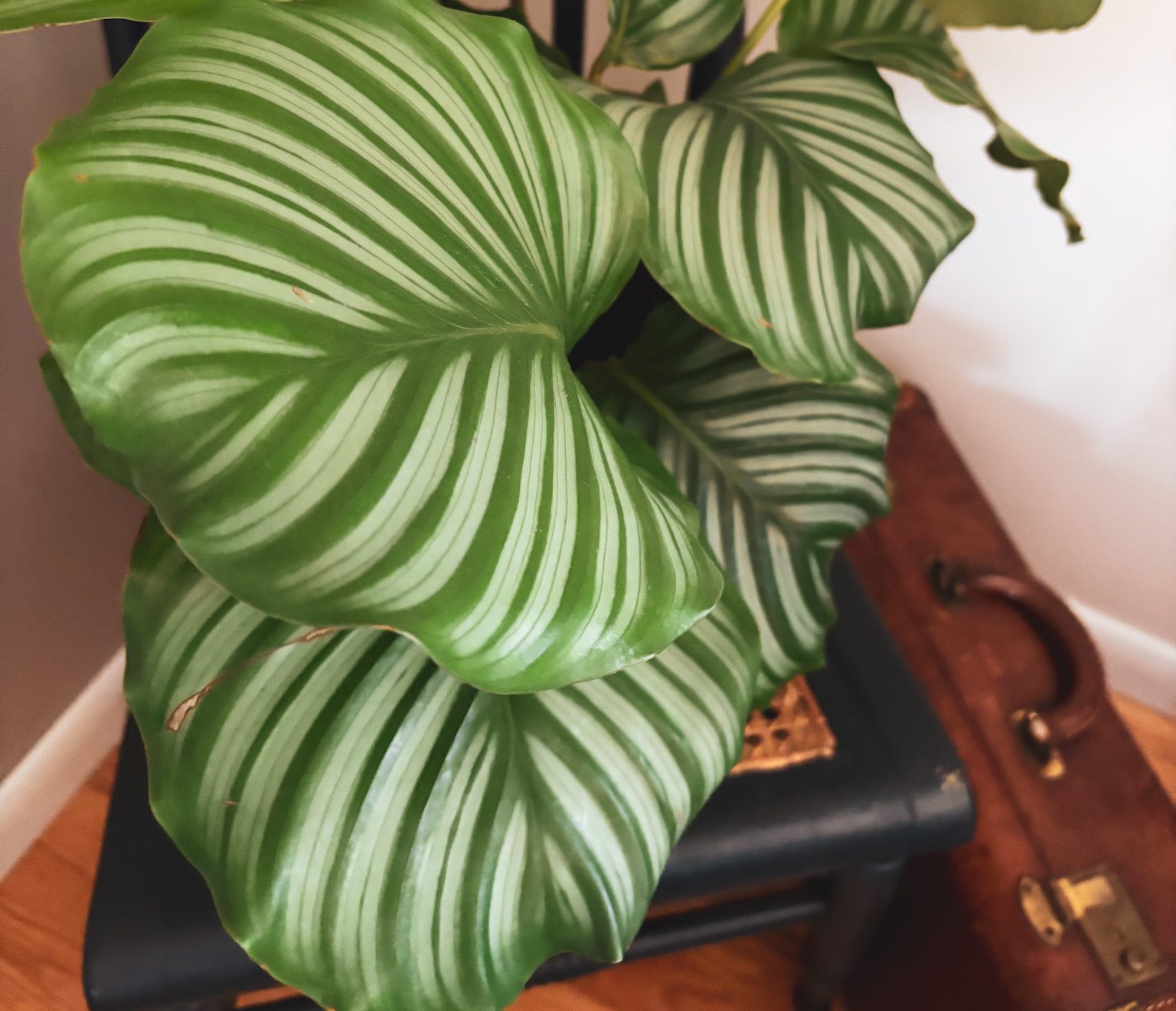
Nature-inspired interiors are thriving, with more homes integrating large windows, organic materials, and lush indoor plants to create a seamless connection between indoors and outdoors.

9. Playful Patterns & Statement Tile

Geometric tiles, hand-painted designs, and bold backsplashes are making a comeback, adding vibrancy and uniqueness to kitchens, bathrooms, and entryways.

10. Personalized, Lived-In Interiors

The biggest trend of 2025? Homes that feel uniquely YOU. Instead of following trends for the sake of it, homeowners are filling their spaces with meaningful art, personal collections, and sentimental pieces that tell their story.

Ready to Refresh Your Home with These 2025 Trends?

If you’re feeling inspired but unsure how to bring these trends into your home, I can help! As a Knoxville interior designer, I specialize in creating warm, inviting spaces that are both stylish and deeply personal.

How to Mix Colors, Textures & Patterns for a Warm, Inviting Home

Creating a beautiful home isn’t just about picking the right furniture—it’s about layering color, texture, and pattern to add depth, warmth, and personality. Without the right balance, a space can feel flat or chaotic. So, how do you mix these elements to create a cozy, cohesive home?

1. Start with a Thoughtful Color Palette

Choosing a cohesive color scheme sets the foundation for a well-designed space. Whether you love soft neutrals or bold hues, keeping a consistent palette throughout your home helps it feel harmonious rather than disconnected.

2. Layer in Textures for Warmth & Depth

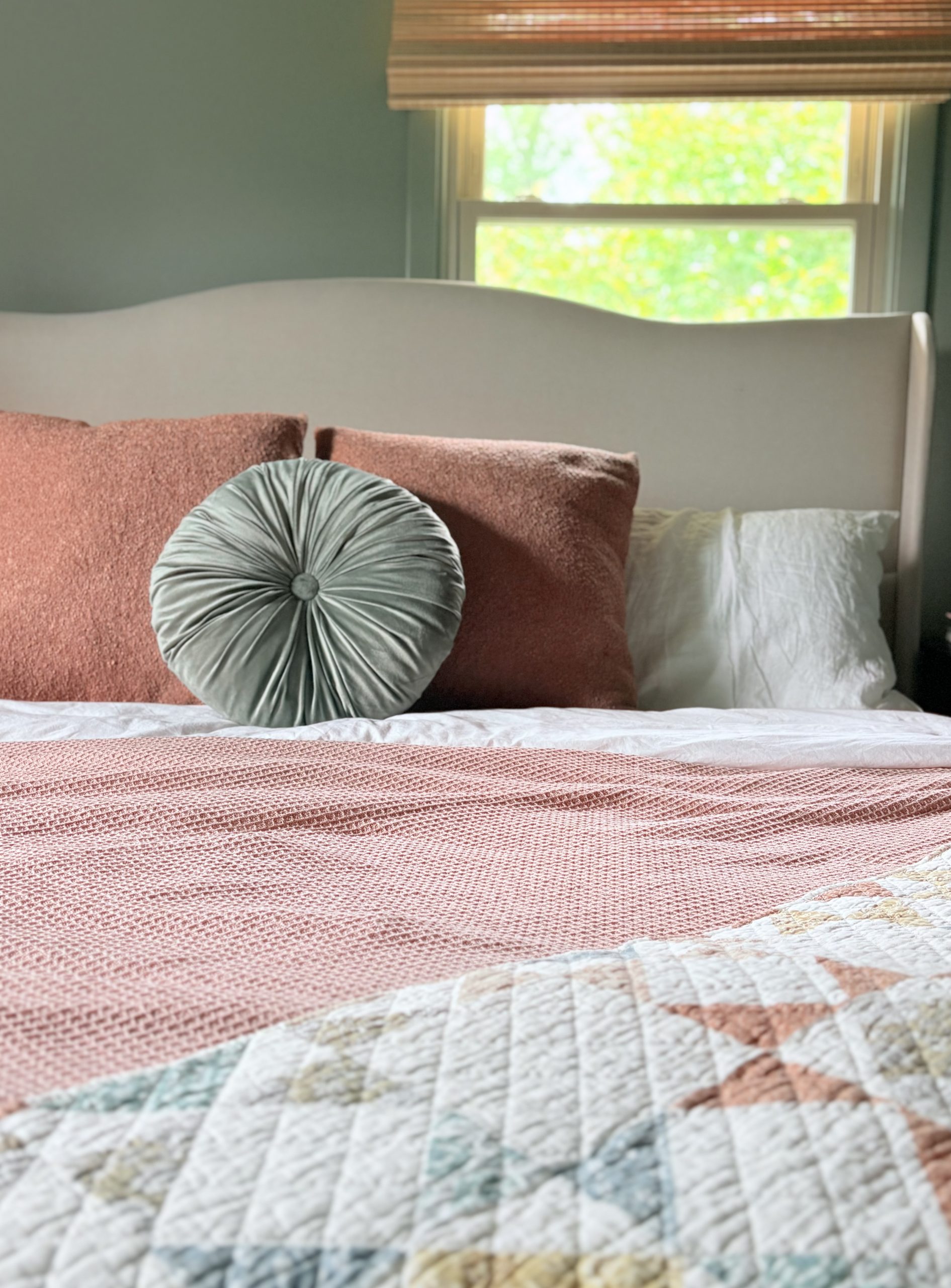
Texture is what makes a room feel inviting. Mixing materials like wood, linen, velvet, and woven fabrics adds warmth and visual interest. Think plush rugs, cozy throw blankets, and natural elements like rattan or stone to create balance.

“Your home should be a retreat—a space that nurtures, inspires, and feels like a deep breath at the end of the day.”

3. Use Patterns to Add Personality

Patterns bring energy and movement to a space. The key is mixing patterns wisely—combine large-scale and small-scale prints, stick to a consistent color family, and blend geometric, floral, or organic designs for a curated look.

4. Balance & Edit

Too much of anything can overwhelm a space. The key to a beautifully designed home is balance—a mix of solid colors, textured surfaces, and just the right amount of pattern to keep things visually interesting yet cohesive.

Need Help Bringing It All Together?

If you’re struggling to create a home that feels both stylish and comfortable, I can help! As a Knoxville-based interior designer, I specialize in creating warm, inviting spaces that reflect your personality while staying functional and beautiful.

Contact me and let’s bring your vision to life!

How to Share Your Unique Story Through Interior Design

Your home is more than just a place where you live; it’s a reflection of who you are, your journey, your passions, and your personality. Interior design offers a unique opportunity to tell your story without saying a single word. Here are some tips to help you craft a space that narrates your personal tale.

“Your home should tell the story of who you are and be a collection of what you love.” – Nate Berkus

1. Start with Your Passions and Interests
The first step in telling your story through interior design is identifying the things that make you unique. Are you an avid traveler? A lover of books? An artist? Incorporate elements that showcase these interests. For example, if you love traveling, you can display souvenirs, artwork, or photographs from your adventures. If books are your passion, create a cozy reading nook with your favorite titles prominently displayed.

2. Use Colors That Speak to You
Colors evoke emotions and have the power to express your personality. Think about the shades that resonate with you and what they represent in your life. Bright, bold colors might signify energy and creativity, while softer, neutral tones could reflect a calm and grounded personality. Let your choice of colors set the tone for your story.

3. Incorporate Sentimental Items
Design is deeply personal, and sentimental pieces add authenticity to your space. These could be heirlooms, family photographs, or handmade items that hold special meaning. Integrating these into your design not only adds depth but also serves as a reminder of cherished memories and experiences.

4. Highlight Your Style
Your unique style is an important part of your story, and it should shine through in your home. Whether you prefer modern minimalism, rustic charm, or eclectic patterns, embrace the aesthetic that feels most like you. Mix and match pieces that reflect your taste, ensuring your space feels authentic and comfortable.

5. Create Spaces That Reflect Your Lifestyle
Your story is also told through how you use your home. If you’re someone who loves to entertain, your interior might feature a spacious dining area and plenty of seating. If you’re focused on wellness, you might prioritize a serene yoga space or a bathroom that feels like a spa. Think about how your environment supports your daily life and passions.

6. Tell a Story Through Art
Artwork is a powerful way to convey your story. Choose pieces that resonate with you and align with your narrative. This might include paintings, sculptures, or even DIY art. Gallery walls can showcase a mix of personal photographs, prints, and collected pieces to create a visual timeline of your journey.

7. Be Intentional with Details
Sometimes the smallest details can speak the loudest. The texture of a throw blanket, the pattern of a rug, or the fragrance of a candle can evoke feelings and memories. Pay attention to these subtle elements to ensure your design feels layered and meaningful.

8. Don’t Be Afraid to Evolve
Your story is constantly changing, and so should your space. Allow your interior design to grow with you. Swap out decor, rearrange furniture, and bring in new pieces that reflect where you are in life right now. This keeps your home dynamic and true to your current chapter.

Telling Your Story

Telling your story through interior design is about creating a space that feels uniquely yours. It’s not about following trends or imitating someone else’s aesthetic—it’s about embracing what makes you, you. By incorporating personal touches, meaningful items, and thoughtful design choices, you can craft a home that speaks volumes about your journey. Let your space be a celebration of your life, experiences, and individuality.